
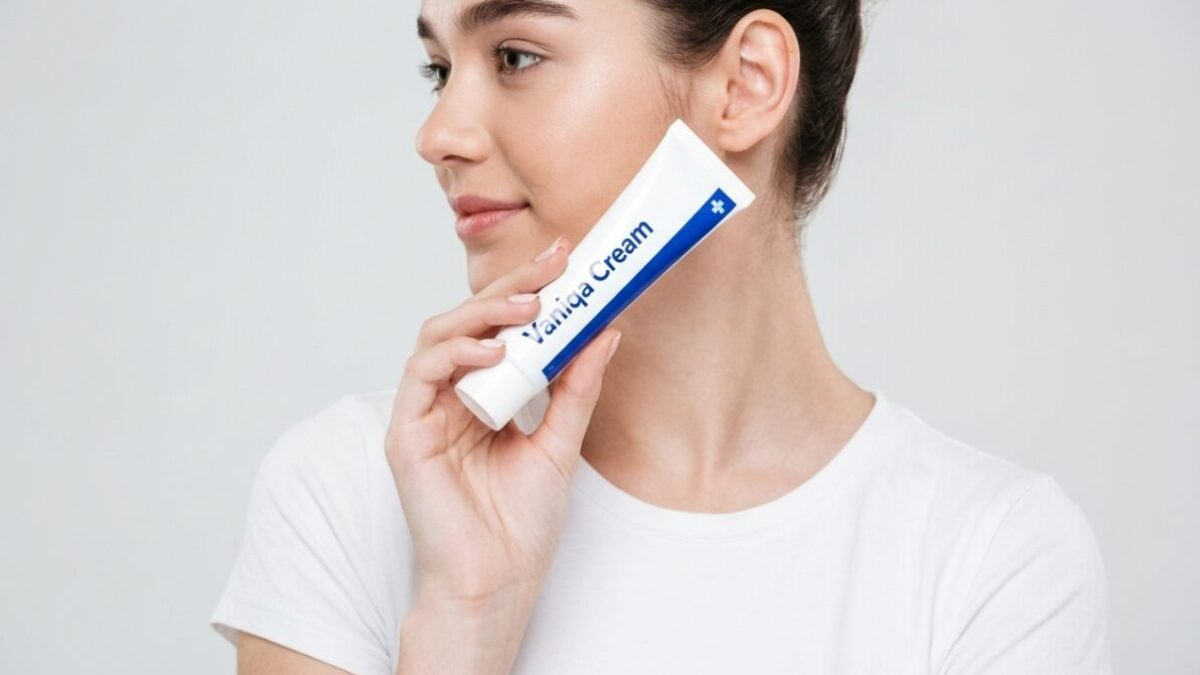
Facial hair in women is more common than most people realize. Whether it’s a faint shadow on the upper lip, a few stubborn chin hairs, or more noticeable growth along the jawline, unwanted facial hair can be a source of frustration and self-consciousness for millions of women worldwide. Among the many solutions available, Vaniqa (eflornithine hydrochloride cream 13.9%) stands out as one of the few FDA-approved topical treatments specifically designed to slow the growth of unwanted facial hair in women.
If you’ve been searching for a reliable, non-invasive way to manage facial hair, here’s everything you need to know about Vaniqa and how it fits into a broader facial hair care routine.
What Is Vaniqa?
Vaniqa is a prescription topical cream developed by pharmaceutical company SkinMedica (now part of Allergan Aesthetics). Its active ingredient is eflornithine hydrochloride, a compound originally developed as an anti-parasitic drug. During clinical trials, researchers discovered an unexpected side effect: it significantly slowed hair growth. This serendipitous finding led to its repurposing as a cosmetic dermatological treatment.
Approved by the U.S. Food and Drug Administration (FDA) in 2000, Vaniqa remains the only FDA-approved prescription cream specifically indicated for reducing unwanted facial hair in women.
How Does Vaniqa Work?
Unlike depilatory creams that dissolve hair at the skin’s surface or waxing that pulls hair from the root, Vaniqa hair removal cream works at a cellular level. Eflornithine inhibits an enzyme called ornithine decarboxylase (ODC), which is found in hair follicles and plays a critical role in hair growth.
By blocking this enzyme, Vaniqa effectively slows the rate at which new hair cells are produced. It’s important to understand that Vaniqa does not remove existing hair. Instead, it:
- Reduces the speed of new hair growth
- Makes regrowing hair finer and lighter over time
- Extends the intervals between hair removal sessions
Think of it less as a hair removal cream and more as a hair growth management treatment.
Who Is Vaniqa For?
Vaniqa is primarily prescribed for women who experience hirsutism — a condition characterized by excessive or unwanted hair growth in areas where men typically grow hair, such as the face, chin, and neck. Hirsutism can be caused by:
- Polycystic Ovary Syndrome (PCOS)
- Hormonal imbalances (elevated androgens)
- Certain medications
- Genetic predisposition
- Menopause-related hormonal shifts
However, Vaniqa can also be used by women who simply want to reduce the frequency of their regular hair removal routines, even if their facial hair isn’t clinically classified as hirsutism.
Note: Vaniqa is not approved for use in men, children, or for body hair outside the face and adjacent areas under the chin.
How to Use Vaniqa
Using Vaniqa correctly is essential for achieving the best results. Here’s a step-by-step guide:
- Cleanse your face thoroughly and pat dry.
- Apply a thin layer of Vaniqa to the affected areas of the face and under the chin.
- Rub it in gently until fully absorbed.
- Use it twice daily, at least eight hours apart (typically morning and evening).
- Wait at least four hours after application before washing the treated area.
- Continue your regular hair removal methods (shaving, waxing, threading, etc.) alongside Vaniqa use.
Important Usage Tips:
- Do not apply Vaniqa to broken, irritated, or sunburned skin.
- Avoid applying it near the eyes, inside the nose, or on the lips.
- Be patient — visible results typically take 4 to 8 weeks of consistent use.
- If you stop using Vaniqa, hair growth will gradually return to its pre-treatment rate within approximately 8 weeks.
Benefits of Vaniqa
- Clinically proven: Multiple studies have demonstrated its efficacy in slowing facial hair growth.
- Non-invasive: No needles, lasers, or painful procedures required.
- Complements other methods: Works alongside shaving, waxing, threading, and laser hair removal to extend results.
- Improves hair texture: Over time, regrowing hair often becomes finer and less noticeable.
- Boosts confidence: Many users report significant improvements in self-esteem and reduced anxiety about facial hair.
Limitations and Considerations
While Vaniqa is effective for many women, it’s not a miracle cure. Here are some limitations to keep in mind:
- It doesn’t remove hair. You’ll still need to use your preferred hair removal method.
- Results are gradual. Don’t expect overnight changes — consistency is key.
- It’s a long-term commitment. Discontinuing use means hair growth will return to normal.
- Prescription required. You’ll need to consult a dermatologist or healthcare provider.
- Cost. Vaniqa can be expensive, and insurance coverage varies.
- Not for everyone. Some women may not see significant improvement even after months of use.
Potential Side Effects
Vaniqa is generally well-tolerated, but like any topical medication, it can cause side effects. The most commonly reported include:
- Acne or skin irritation at the application site
- Redness or stinging
- Dry skin
- Folliculitis (inflamed hair follicles)
- Burning sensation
- Ingrown hairs
These side effects are usually mild and tend to diminish with continued use. If you experience severe irritation, swelling, or an allergic reaction, discontinue use and consult your doctor immediately.
Broader Facial Hair Care Tips
Managing facial hair is about more than just one product. A holistic approach to facial hair care can help you achieve smoother, healthier skin. Here are some tips to complement your Vaniqa routine:
1. Choose the Right Hair Removal Method
Different methods work better for different skin types and hair textures:
- Threading: Great for precision work around the brows and upper lip.
- Waxing: Effective for larger areas but can irritate sensitive skin.
- Dermaplaning: Gently removes peach fuzz and dead skin cells.
- Laser hair removal: Offers long-term reduction but works best on dark hair and light skin.
- Electrolysis: The only FDA-approved method for permanent hair removal.
2. Exfoliate Regularly
Gentle exfoliation 2–3 times a week helps prevent ingrown hairs and keeps the skin smooth. Use a chemical exfoliant (like salicylic acid or glycolic acid) rather than harsh scrubs, which can cause micro-tears.
3. Moisturize and Protect
Hair removal can strip the skin of natural oils. Follow up with a fragrance-free moisturizer and always apply broad-spectrum sunscreen (SPF 30 or higher), especially when using Vaniqa, as the treated skin may be more sensitive to UV exposure.
4. Address the Root Cause
If your facial hair growth is sudden, excessive, or accompanied by other symptoms (irregular periods, weight gain, acne), consult an endocrinologist or gynecologist. Underlying hormonal conditions like PCOS may require medical treatment beyond topical creams.
5. Be Gentle with Your Skin
Avoid over-plucking, aggressive waxing, or using multiple harsh treatments simultaneously. Your facial skin is delicate, and over-treatment can lead to hyperpigmentation, scarring, and chronic irritation.
6. Maintain a Healthy Lifestyle
Diet, stress management, and sleep all influence hormone levels. A balanced lifestyle can help keep hormonal fluctuations — and the hair growth they trigger — in check.
Alternatives to Vaniqa
If Vaniqa isn’t the right fit for you, several alternatives exist:
| Method | Pros | Cons |
| Laser Hair Removal | Long-lasting results | Expensive; multiple sessions needed |
| Electrolysis | Permanent | Time-consuming; can be painful |
| Prescription Spironolactone | Addresses hormonal cause | Oral medication with systemic side effects |
| Birth Control Pills | Regulates hormones | Not suitable for everyone |
| At-Home IPL Devices | Convenient | Less effective than professional treatments |
The Bottom Line
Vaniqa is a valuable tool in the facial hair management toolkit, particularly for women who want to slow regrowth between hair removal sessions. While it won’t eliminate facial hair entirely, its ability to reduce growth rate and improve hair texture makes it a worthwhile option for many.
However, the best results come from a comprehensive approach that combines Vaniqa (or an alternative treatment) with proper skincare, the right hair removal techniques, and — when necessary — medical evaluation of underlying hormonal causes.
If you’re considering Vaniqa, schedule a consultation with a board-certified dermatologist. They can assess your skin type, hair growth pattern, and medical history to determine whether Vaniqa is the right choice for you and help you build a personalized facial hair care plan that works.
Disclaimer: This article is for informational purposes only and does not constitute medical advice. Always consult a qualified healthcare professional before starting any new treatment.
