
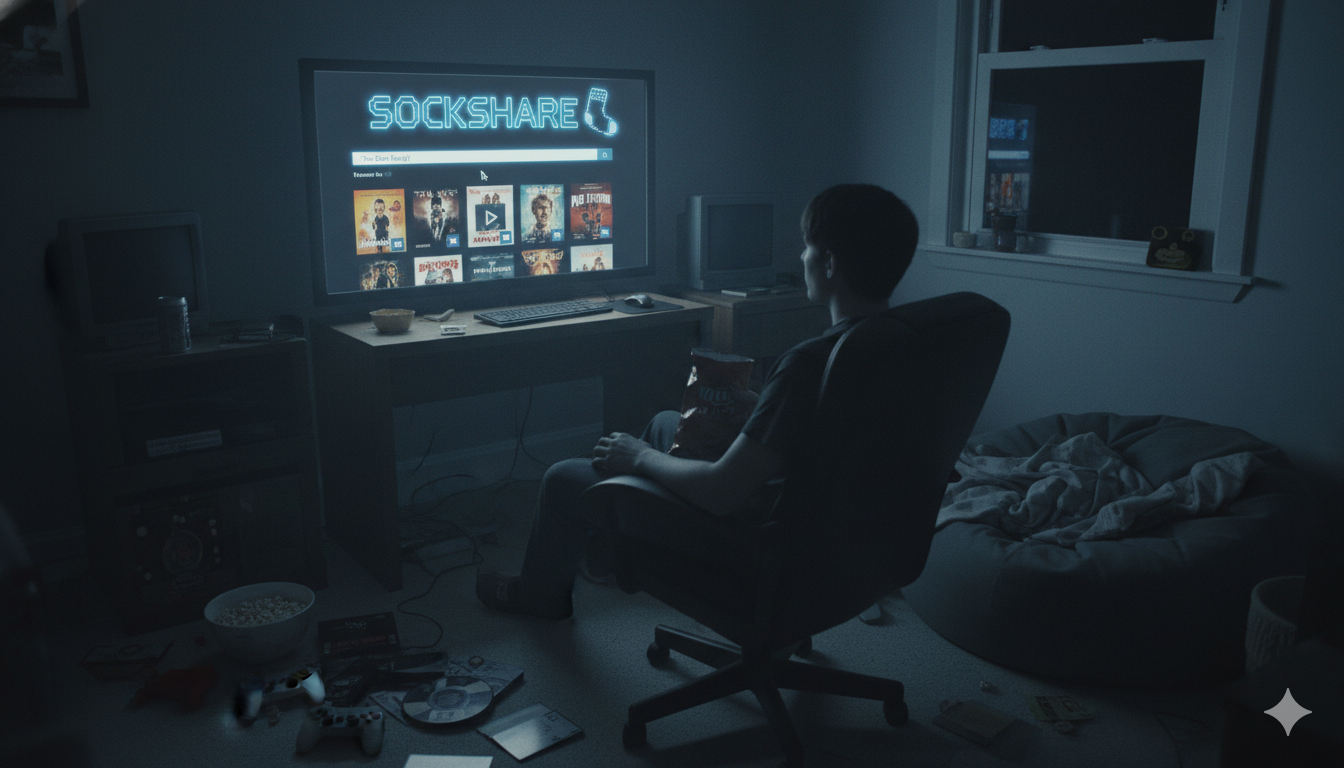
Do you remember the days when finding a free movie online was as simple as typing a title into a search bar? For millions of film lovers, sockshare was the ultimate digital sanctuary. It was the go-to spot where you could watch your favorite movies, catch up on trending TV shows, and find old cinematic gems without paying a single dime.
But the world of online streaming changes fast. Digital platforms come and go overnight, leaving streaming buffs wondering where to find their next entertainment fix. Today, we are going to look closely at what happened to sockshare. We will explore its current status in 2026, look at the safety risks of using third-party streaming links, and share the absolute best safe alternatives for your next movie night.
What is SockShare and Why Was It So Popular?
At its peak, sockshare was one of the largest and most visited free streaming websites on the internet. It operated as an open directory, which means it did not host the video files directly on its own servers. Instead, the platform provided indexed streaming links to third-party file-sharing databases.
The website grew incredibly popular because it solved a massive problem for everyday viewers: high subscription costs. Instead of paying for five different streaming services, users could log onto sockshare and access an enormous library of content for free. The user interface was clean, movies loaded quickly, and it required no official sign-ups or credit card details to start watching.
Is SockShare Still Working and Active in 2026?
If you try to search for the original sockshare website today, you will likely hit a wall. The original domain has been offline for a long time due to intense legal pressure from copyright holders and international anti-piracy groups.
While you might see a few mirror sites or clone websites using the sockshare name, these are not run by the original creators. Data trends from online analytics show that traffic to these clone sites has dropped by over 80% recently. Most of these replica domains are unstable, break down constantly, or redirect you to completely unrelated advertising pages.
The Core Features that Made the Platform Famous
When the original platform was up and running, it had several standout features that kept millions of users coming back every week. Let’s look at the primary features that made it a household name for cord-cutters:
- Massive Content Library: It featured thousands of movies and TV shows across multiple genres, including action, comedy, horror, sci-fi, and documentaries.
- Zero Subscription Fees: Viewers could watch full HD content completely free without any hidden monthly charges.
- No User Accounts Required: You did not need to share your name, email address, or personal data just to stream a video.
- Media Filter Options: Users could easily sort through titles by release year, genre, or country of origin.
Understanding the Hidden Risks of Unofficial Streaming Links
While streaming free movies sounds great, using unofficial sites like sockshare clones comes with significant hidden dangers. Because these sites operate in a legal gray area, they do not follow standard internet security rules.
The biggest threat to your desktop or mobile device is malicious pop-up advertisements. When you click the “Play” button on an unverified link, the site often triggers aggressive redirects. These redirects can automatically download malware, spyware, or adware onto your device. Furthermore, your internet service provider (ISP) can track your browsing data on these platforms, which could lead to copyright warning notices.
Complete Streaming Comparison Table
To help you navigate the current landscape, we have put together a breakdown comparing old-school unverified directories like sockshare against modern, safe alternatives.
| Feature | Unofficial Sites (e.g., SockShare Clones) | Legal Free Platforms (e.g., Tubi, Pluto TV) |
| Cost | 100% Free | 100% Free |
| Malware Risk | Very High (via malicious ads) | Zero Risk |
| Legal Status | Unlicensed / Copyright Infringement | 100% Legal & Licensed |
| Video Quality | Varies (360p to 1080p Cam prints) | Consistent HD (720p / 1080p) |
| Pop-up Ads | High frequency, aggressive redirects | Standard commercial breaks (Safe ads) |
| Account Required | No | No (Optional for tracking watchlists) |
Top Legal and Safe Alternatives to Try Right Now
You do not need to risk the safety of your computer or mobile phone to enjoy free entertainment. Today, major media networks offer outstanding, fully legal streaming platforms that cost absolutely nothing. Here are the top choices to replace sockshare:
1. Tubi TV
Owned by Fox Corporation, Tubi is a massive treasure trove for movie lovers. It hosts more than 50,000 titles ranging from Hollywood blockbusters to classic anime. It uses a very clean layout, works on smart TVs and smartphones, and is entirely legal and ad-supported.
2. Pluto TV
Pluto TV offers a unique blend of live television channels and on-demand movies. It mimics the classic cable TV experience with over 250 virtual channels, alongside a deep library of on-demand movies and cult TV shows.
3. Sony Crackle
Backed by major entertainment distributors, Crackle delivers a carefully curated mix of Hollywood movies, vintage TV series, and original studio content. The ad breaks are short, and the platform is highly secure against malware.
Unofficial Alternatives: Proceed with Extreme Caution
Some streaming buffs still search for community-driven, unofficial directories similar to the old sockshare experience. While sites like 123Movies, FMovies, GoStream, and SolarMovie continue to appear online through mirror domains, they carry the exact same safety and copyright risks as the original platform.
If you ever choose to explore unofficial networks, digital safety experts strongly advise using a robust Virtual Private Network (VPN). A high-quality VPN encrypts your web traffic and masks your IP address. This helps shield your personal identity from tracker scripts embedded inside the streaming links.
Essential Cybersecurity Tips for Movie Enthusiasts
If you love exploring different parts of the web for entertainment, you should always put your cybersecurity first. Protecting your personal data is much more important than watching a trending film.
First, always keep a reliable, active antivirus program running on your system. Second, install a reputable ad-blocker browser extension to stop aggressive pop-up scripts before they load. Finally, never download files that end in .exe or .apk when you are simply trying to watch a video file. Real video streaming streams directly through your browser and does not require you to install external media player software.
How Evolution of Streaming Changed Online Media Consumption
The downfall of old hubs like sockshare reflects a massive shift in how the world consumes digital entertainment. Years ago, premium streaming services were sparse, driving millions of users toward index directories.
Today, the rise of ad-supported video-on-demand (AVOD) models has changed everything. Major media companies realized that viewers are completely fine with watching a few commercial breaks if it means getting high-quality, legal video content for free. This shift has made the digital world much safer for everyday internet users.
Conclusion: Choose Smart, Safe Streaming Practices
The era of relying on unstable sites like sockshare for your weekend movie marathons is coming to a close. While those old directories offered unmatched freedom in the early days of the web, the security threats and legal issues they bring today simply are not worth the headache.
By switching over to verified, licensed free services like Tubi, Pluto TV, or Plex, you can enjoy crisp HD video playback without worrying about tracking cookies or device-breaking malware. Keep your system updated, prioritize your privacy, and enjoy a stress-free movie night!
Frequently Asked Questions
1. Is it illegal to watch movies on a sockshare clone?
While viewing a stream exists in a legal gray area in certain regions, accessing unauthorized, copyright-infringing content violates international intellectual property laws. Using licensed alternatives keeps you entirely safe from legal issues.
2. Why do sockshare domains keep changing their names?
Anti-piracy groups and legal authorities consistently issue domain takedowns against these sites. To survive, the administrators quickly move their indexed database to new web suffixes or country codes.
3. Can I get a virus from clicking on free streaming links?
Yes. Unverified streaming networks often use malicious advertising loops. Clicking anywhere on the video player can trigger hidden scripts that download harmful malware onto your phone or computer.
4. Do legal alternatives like Tubi charge any hidden fees?
No. Licensed AVOD platforms like Tubi and Pluto TV are entirely free. They generate revenue through standard commercial breaks during the video, much like traditional broadcast television.
5. Should I use a VPN when streaming online content?
Using a VPN is highly recommended for general privacy. It encrypts your data stream, shielding your online actions from local network trackers, public Wi-Fi snoopers, and data brokers.
