
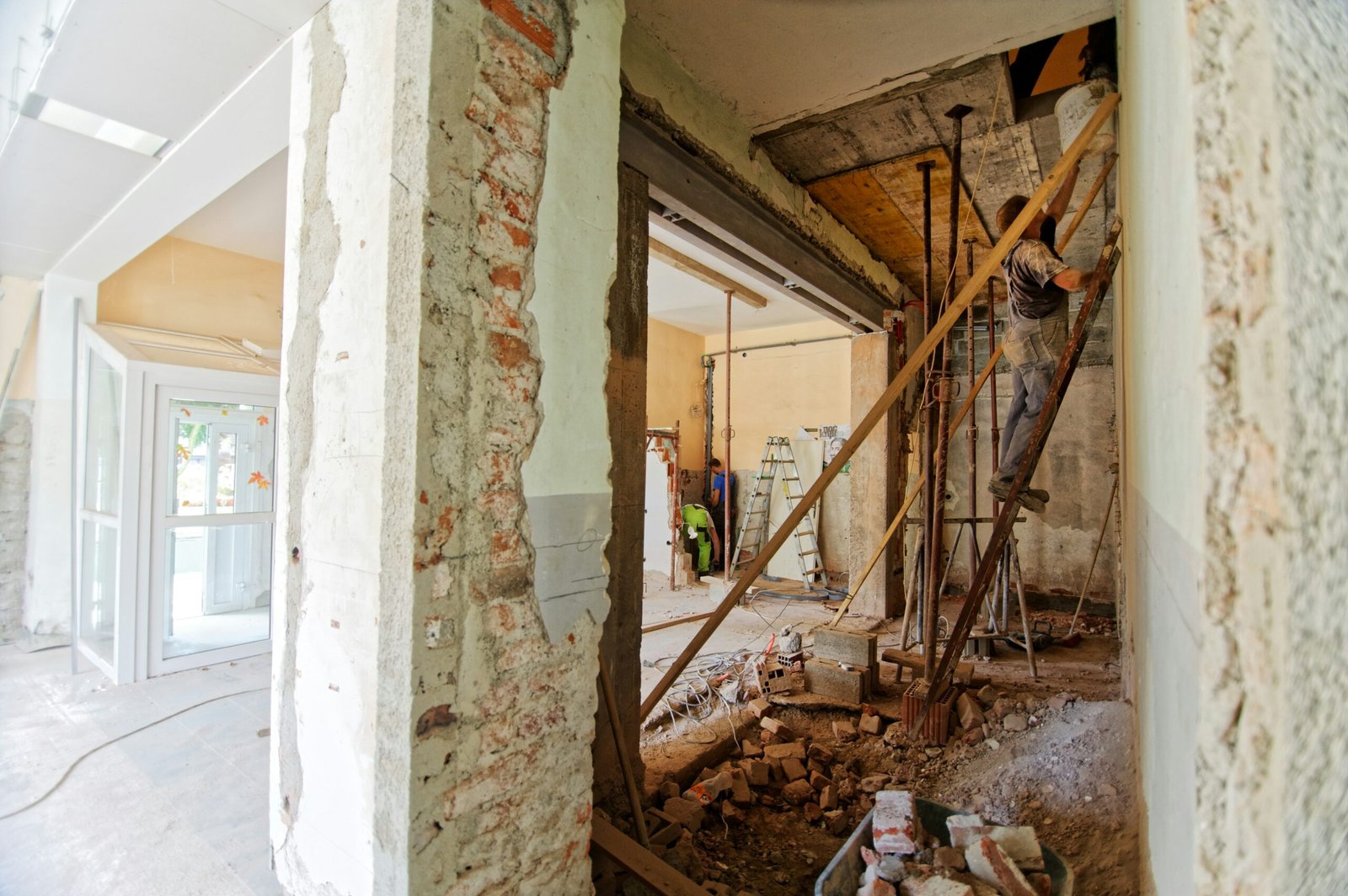
Embarking on a major home renovation is an exciting opportunity to transform a living space into something more functional, beautiful, and aligned with your lifestyle. However, large-scale renovations require thoughtful planning, clear expectations, and a strong understanding of what the process entails. Without proper preparation, homeowners can encounter delays, budget overruns, or design regrets that could have been avoided. Taking the time to understand the essential factors before beginning can make the experience more efficient and rewarding. From setting a clear vision to choosing the right professionals, every decision plays a critical role in achieving a successful outcome.
Establishing a Clear Vision and Scope
Before any work begins, it is vital to have a well-defined vision for your renovation project. This means going beyond general ideas and identifying specific goals for each space. Consider how your daily routines influence your needs and how the renovation can enhance comfort and usability. Whether you are updating a kitchen, expanding a living area, or modernizing an older home, clarity in your priorities ensures that every design decision supports your long-term objectives.
Equally important is determining the scope of the renovation. Major projects can quickly expand beyond initial expectations if boundaries are not set early. Establishing what is essential versus optional helps prevent scope creep, which can lead to increased costs and extended timelines. Having detailed plans creates a roadmap that keeps the project focused and manageable.
Understanding Budget and Financial Planning
A realistic budget is the foundation of any successful home renovation. It is essential to account not only for materials and labor but also for permits, inspections, and potential unforeseen expenses. Many homeowners underestimate the value of setting aside a contingency fund, which can help address unexpected issues such as structural repairs or outdated wiring uncovered during construction.
Working with experienced professionals can provide valuable insight into cost expectations and help you allocate resources efficiently. In regions with a competitive housing market and high construction demand, such as projects involving design build in San Diego, understanding regional pricing trends becomes especially important. Accurate financial planning allows you to make informed decisions without compromising quality or design integrity.
Choosing the Right Professionals
Selecting the right team can significantly influence the success of a renovation. Contractors, architects, and designers bring different areas of expertise, and finding professionals who understand your vision is key to achieving the desired results. It is important to research credentials, review past work, and communicate openly about expectations before committing to any partnership.
A collaborative approach often leads to better outcomes, as it ensures that all aspects of the project are aligned from the beginning. Clear communication throughout the project helps minimize misunderstandings and keeps timelines on track. Establishing trust with your renovation team allows you to move forward with confidence and reduces stress during the construction process.
Navigating Permits and Regulations
Major renovations typically require permits and must comply with local building codes and regulations. Understanding these requirements before starting your project can prevent costly delays or legal complications. Each municipality has its own guidelines, which may include inspections at various stages of construction.
Homeowners should familiarize themselves with zoning laws, especially if the renovation involves structural changes or additions. Working with professionals who are knowledgeable about local regulations can streamline the approval process and ensure compliance at every stage. This step is especially important in areas where regulations may be more complex or strictly enforced.
Preparing for the Renovation Process
Living through a major renovation can be disruptive, so it is important to plan accordingly. Depending on the scale of the project, you may need to temporarily relocate or adjust your daily routines. Preparing your home and family for noise, dust, and limited access to certain areas can help set realistic expectations and reduce frustration.
Establishing a timeline with your contractor provides a general framework for the project, although flexibility is often necessary. Delays can occur due to weather, material availability, or unforeseen complications. Staying adaptable and maintaining open communication helps ensure that challenges are addressed efficiently.
Conclusion
Starting a major home renovation is a significant undertaking that requires careful planning and informed decision-making. By establishing a clear vision, creating a realistic budget, choosing experienced professionals, and understanding regulatory requirements, homeowners can navigate the process with greater confidence. Preparation and communication are key to minimizing challenges and maximizing the value of your investment. With the right approach, a major renovation can transform your home into a space that enhances both functionality and quality of life for years to come.
