
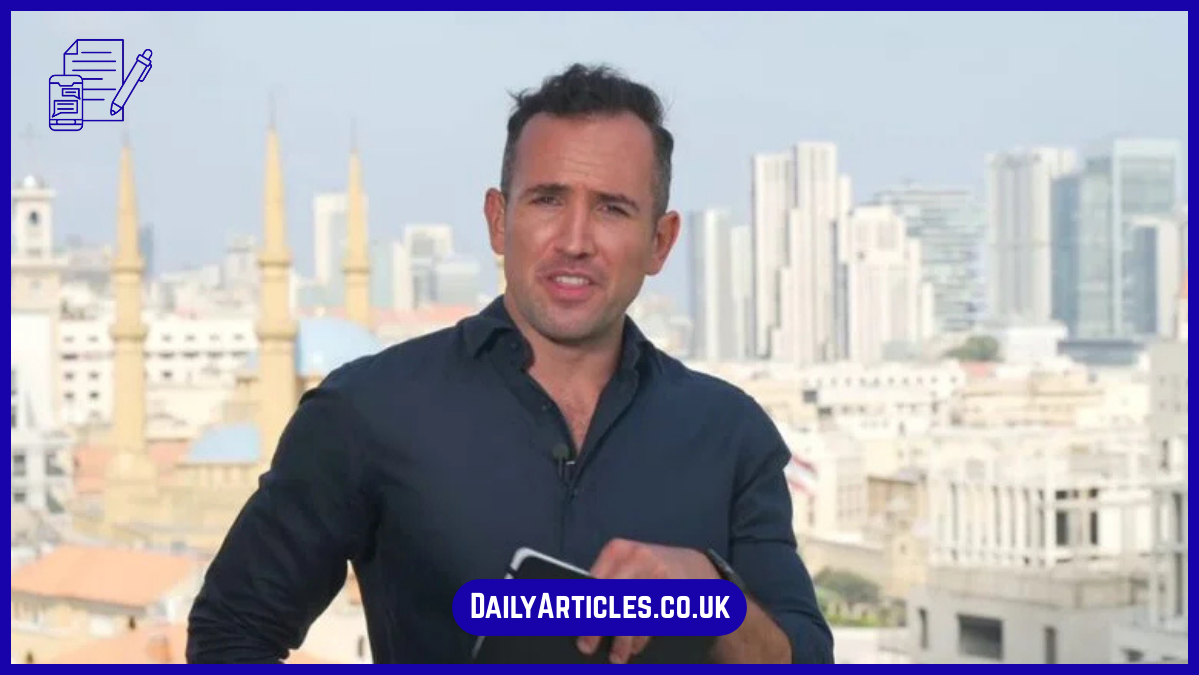
When exploring the career of influential international journalists, the hugo bachega biography stands out for its compelling story. Hugo Bachega has become a recognizable figure in global journalism, known for his clear reporting, deep empathy, and ability to deliver complex news in an understandable way. This hugo bachega biography explores his early life, career development, professional achievements, and the qualities that make him one of the most respected correspondents today.
Early Life and Brazilian Roots
The first chapter in the hugo bachega biography begins in Brazil, where Hugo Bachega was born and raised. His childhood in São Paulo exposed him to a multicultural environment that shaped his worldview. While the exact details of his birth date and family life are not widely publicized, it is well-known that Brazil’s vibrant culture and diverse social landscape influenced his perspective as a young aspiring journalist.
Growing up in Brazil, Bachega was surrounded by dynamic politics, rich traditions, and social contrasts. These early experiences are a key part of his hugo bachega biography, as they provided him with insights into human behavior, society, and the importance of storytelling. From a young age, he showed curiosity and determination, qualities that would define his journalistic career.
Education also played an important role in Hugo’s early years. While specific schooling details are limited, the hugo bachega biography highlights that he became fluent in both Portuguese and English — a skill that would later enable him to work seamlessly in international reporting environments.
Launching a Journalism Career with Reuters
The next phase of the hugo bachega biography focuses on his professional beginnings at Reuters. Hugo Bachega started as an intern in São Paulo, covering domestic news and political developments. These early assignments allowed him to build foundational skills in reporting, research, and storytelling.
Working at Reuters was transformative for Bachega. The fast-paced environment honed his ability to report accurately and concisely, and he learned to approach stories with sensitivity and depth. The Reuters experience is a crucial part of the hugo bachega biography, as it prepared him for the challenges of international journalism.
During his time with Reuters, Hugo Bachega’s reporting style evolved to combine factual clarity with human-centered storytelling. This balance would later become a hallmark of his work with the BBC, making him a trusted voice in global news.
Transition to the BBC
A major milestone in the hugo bachega biography is his transition to the BBC. Joining one of the world’s most respected news organizations gave Bachega a platform to reach international audiences. At the BBC, he developed a reputation for delivering accurate, insightful, and empathetic reporting.
As a BBC correspondent, Hugo Bachega has covered conflicts, political upheavals, and humanitarian crises across the globe. From Ukraine to the Middle East, his reporting reflects both professionalism and compassion. The hugo bachega biography highlights these assignments as key moments that cemented his reputation as a fearless and reliable journalist.
His time at the BBC also illustrates the evolution of his broadcasting style. The hugo bachega biography emphasizes his ability to maintain composure under pressure, deliver live reports, and communicate complex issues to diverse audiences — all qualities that define him as an expert correspondent.
Reporting Style and Approach
An important aspect of the hugo bachega biography is his distinctive reporting style. Bachega is known for blending clear factual reporting with the human element of the story. This approach allows audiences to understand not only the events but also the experiences of the people involved.
Hugo Bachega’s ability to navigate culturally complex environments sets him apart. His bilingual skills, cross-cultural awareness, and calm demeanor are repeatedly highlighted in the hugo bachega biography. Audiences appreciate his capacity to make even the most challenging topics accessible without sacrificing depth or accuracy.
Moreover, the hugo bachega biography underscores his emphasis on integrity and ethical reporting. In a world of fast news cycles and sensationalism, Bachega stands out for thoughtful journalism that respects both the truth and the human stories behind the headlines.
Nationality and Personal Identity
The hugo bachega biography also touches on his nationality. Born in Brazil, Hugo Bachega maintains strong ties to his homeland while working internationally. Some sources mention the possibility of dual nationality due to his long-term association with the BBC, though no official confirmation exists.
This aspect of the hugo bachega biography highlights how Bachega embodies the identity of a global journalist — someone whose professional reach transcends borders while maintaining cultural and linguistic roots. His Brazilian heritage continues to influence his perspective and reporting style.
Legacy and Professional Impact
The final chapter in the hugo bachega biography focuses on his legacy. Hugo Bachega’s career demonstrates the importance of empathy, accuracy, and resilience in journalism. From his early days in São Paulo to international reporting with the BBC, he has consistently prioritized the human stories behind global events.
His journey is a source of inspiration for aspiring journalists worldwide. The hugo bachega biography shows how dedication, linguistic skill, cultural awareness, and ethical reporting can combine to create a meaningful impact in journalism. Bachega is not only a correspondent but a bridge connecting audiences to the realities of our complex world.
In conclusion, the hugo bachega biography presents a vivid picture of a journalist who has navigated challenges, embraced opportunities, and contributed significantly to international reporting. His story is one of talent, perseverance, and a deep commitment to storytelling — qualities that ensure his place among the respected figures in global journalism today.
