
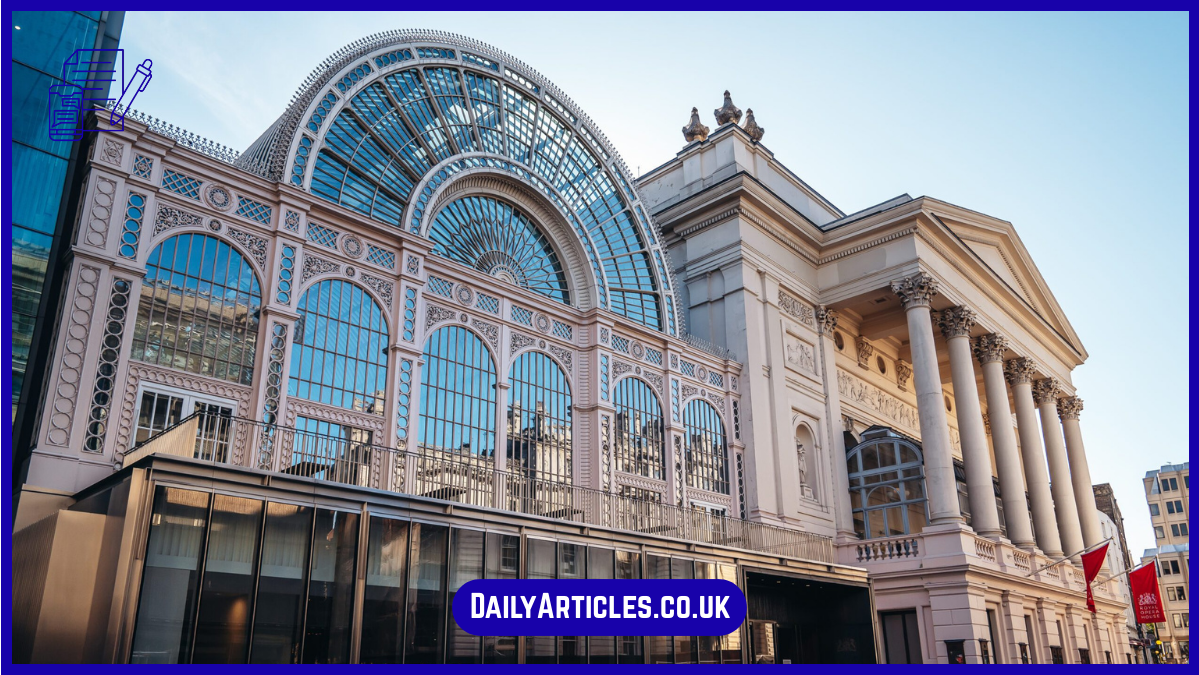
The Royal Opera House: A Historic Landmark in the Heart of London
The Royal Opera House stands proudly in Covent Garden, London, as one of the world’s most celebrated venues for opera and ballet. For centuries, it has been a central pillar of the performing arts, drawing audiences from across the globe. Its presence is not just architectural; it represents tradition, innovation, and artistic mastery all in one remarkable institution.
Originally opened in 1732, The Royal Opera House has experienced fires, reconstructions, and extensive renovations. Despite these challenges, it has always emerged stronger and more refined. The current building, largely dating from 1858, blends Victorian grandeur with modern upgrades that allow it to remain competitive with the finest performance spaces in the world.
Walking through its doors feels like stepping into a living museum of music and drama. The Royal Opera House is more than just a venue; it is a symbol of resilience and cultural importance. Every performance staged here adds to a legacy that stretches back nearly three centuries.
Architectural Grandeur and Modern Innovation
One of the most striking aspects of The Royal Opera House is its architecture. The exterior maintains a classical elegance, while the interior offers a breathtaking auditorium adorned with red velvet seating, golden detailing, and an iconic chandelier that glows warmly above the audience. The design is intimate yet grand, allowing spectators to feel close to the performers without sacrificing scale.
In the late 20th century, major renovations modernized The Royal Opera House without erasing its historical character. The addition of the Paul Hamlyn Hall, often referred to as the “Floral Hall,” brought in natural light and contemporary design elements. The glass and iron structure creates a dramatic contrast to the more traditional sections of the building.
Behind the scenes, cutting-edge stage technology ensures seamless productions. Advanced acoustics, movable stages, and technical precision allow directors and designers to push creative boundaries. The Royal Opera House proves that historical preservation and innovation can coexist beautifully.
Home to World-Class Opera and Ballet
The Royal Opera House is the proud home of The Royal Opera and The Royal Ballet. These two companies are internationally respected for their artistry, discipline, and groundbreaking performances. Their productions consistently set high standards for excellence in classical and contemporary works.
Opera lovers flock to experience masterpieces by composers such as Verdi, Puccini, Mozart, and Wagner. At the same time, ballet enthusiasts admire performances of classics like Swan Lake, The Nutcracker, and Romeo and Juliet. Each season is carefully curated to balance tradition with new commissions and modern interpretations.
What truly sets The Royal Opera House apart is the quality of its performers. Many of the world’s most acclaimed singers, conductors, dancers, and choreographers have graced its stage. Their dedication transforms each performance into an unforgettable experience, reinforcing the venue’s reputation as a global leader in the performing arts.
Cultural Impact and Global Influence
The Royal Opera House is not just important to London; it has a profound international presence. Through worldwide broadcasts, cinema screenings, and digital streaming platforms, its productions reach audiences far beyond the walls of Covent Garden. This global accessibility ensures that high-quality opera and ballet can be enjoyed by people who may never visit London in person.
Educational outreach is another cornerstone of its mission. The Royal Opera House invests heavily in programs designed to introduce young people to opera and ballet. Workshops, school partnerships, and community projects make the arts more inclusive and accessible. This commitment ensures that future generations will continue to value and support these art forms.
Its influence also extends into the broader cultural landscape. Designers, composers, and directors who collaborate with The Royal Opera House often go on to shape artistic trends worldwide. The institution acts as both a guardian of tradition and a laboratory for creative experimentation.
The Experience of Attending a Performance
Attending a performance at The Royal Opera House is a truly immersive experience. From the moment visitors arrive in Covent Garden, there is a sense of anticipation in the air. The surrounding piazza, filled with street performers and historic buildings, enhances the cultural atmosphere.
Inside, the ambiance is refined yet welcoming. While there is a certain elegance associated with opera and ballet, The Royal Opera House has worked to create a more inclusive environment. Dress codes have relaxed over time, and ticket pricing structures aim to accommodate a range of budgets.
When the curtain rises, the magic truly begins. The orchestra swells, the stage comes alive, and the audience is transported into another world. The Royal Opera House excels at creating moments of emotional intensity, whether through a powerful operatic aria or a breathtaking ballet pas de deux. It is an experience that lingers long after the final applause.
Commitment to Sustainability and the Future
In recent years, The Royal Opera House has demonstrated a strong commitment to sustainability. Recognizing its responsibility as a major cultural institution, it has implemented environmentally conscious practices in production design, energy use, and waste management. Sustainable materials and recycling initiatives are now integral parts of its operations.
Digital innovation also plays a significant role in shaping its future. Livestreamed performances and on-demand services allow The Royal Opera House to adapt to changing audience habits. By embracing technology, it remains relevant in an era dominated by digital media.
Looking ahead, The Royal Opera House continues to commission new works and nurture emerging talent. This forward-thinking approach ensures that opera and ballet remain dynamic and evolving art forms. Rather than resting on its historical achievements, it actively shapes the future of performance.
Why The Royal Opera House Remains Unmatched
Many theaters around the world offer opera and ballet, but few can match the prestige and consistency of The Royal Opera House. Its combination of historical significance, architectural beauty, artistic excellence, and community engagement makes it truly unique.
It stands as a testament to what can be achieved when creativity, discipline, and vision converge. For artists, performing here is often considered a career milestone. For audiences, attending a show is a cultural highlight that combines tradition with innovation.
Ultimately, The Royal Opera House endures because it understands the power of storytelling through music and movement. It honors centuries-old traditions while embracing modern possibilities. That balance is rare, and it is precisely why this iconic institution continues to captivate the world.
With nearly three hundred years of history behind it and an ambitious vision ahead, The Royal Opera House remains one of the most important cultural landmarks in the performing arts. Its stage will undoubtedly continue to inspire, challenge, and enchant audiences for generations to come.
You May Also Read
