
The Vision Behind Paradox Orchestra
Paradox Orchestra is not just another musical project; it is a bold reimagining of how electronic music can be experienced in a live setting. Founded with the idea of transforming DJ-driven dance tracks into fully orchestrated performances, Paradox Orchestra bridges two worlds that were once considered separate. On one side, you have the raw energy of club culture. On the other, the discipline and grandeur of classical instrumentation. Bringing these together requires more than creativity; it demands technical precision, deep musical understanding, and fearless artistic direction.
At its core, Paradox Orchestra was built around a simple yet powerful concept: take iconic electronic tracks and reinterpret them through live instruments without losing their original energy. That sounds straightforward, but it is anything but easy. Electronic music often relies on synthetic sounds, digital production effects, and repetitive structures that are not naturally suited for orchestral adaptation. Translating those elements into strings, brass, percussion, and woodwinds requires careful arrangement and a sophisticated understanding of both genres.
What makes Paradox Orchestra stand out is its commitment to authenticity. Rather than simply adding a string section to existing tracks, the project completely reconstructs songs from the ground up. Every melody, bassline, and rhythmic element is analyzed and reorchestrated. The result is not a cover, but a transformation. Listeners recognize the track instantly, yet they experience it in a completely new way. That paradox, staying true while being entirely different, is exactly what defines Paradox Orchestra.
Blending Club Culture with Classical Craftsmanship
The true magic of Paradox Orchestra lies in its ability to merge two cultures that traditionally operate in different spaces. Club music thrives in dark rooms with flashing lights and massive sound systems. Classical music typically belongs in concert halls with seated audiences and carefully controlled acoustics. Paradox Orchestra brings the intensity of the club into the concert hall and, at times, brings orchestral depth directly into club environments.
This fusion is not just about aesthetics; it is about musical structure. Electronic dance music often centers on drops, build-ups, and bass-driven momentum. Classical compositions, by contrast, emphasize dynamic range, harmonic complexity, and instrumental texture. Paradox Orchestra finds a way to respect both approaches. The arrangements preserve the driving pulse of house and techno while layering them with rich harmonies and expressive instrumentation.
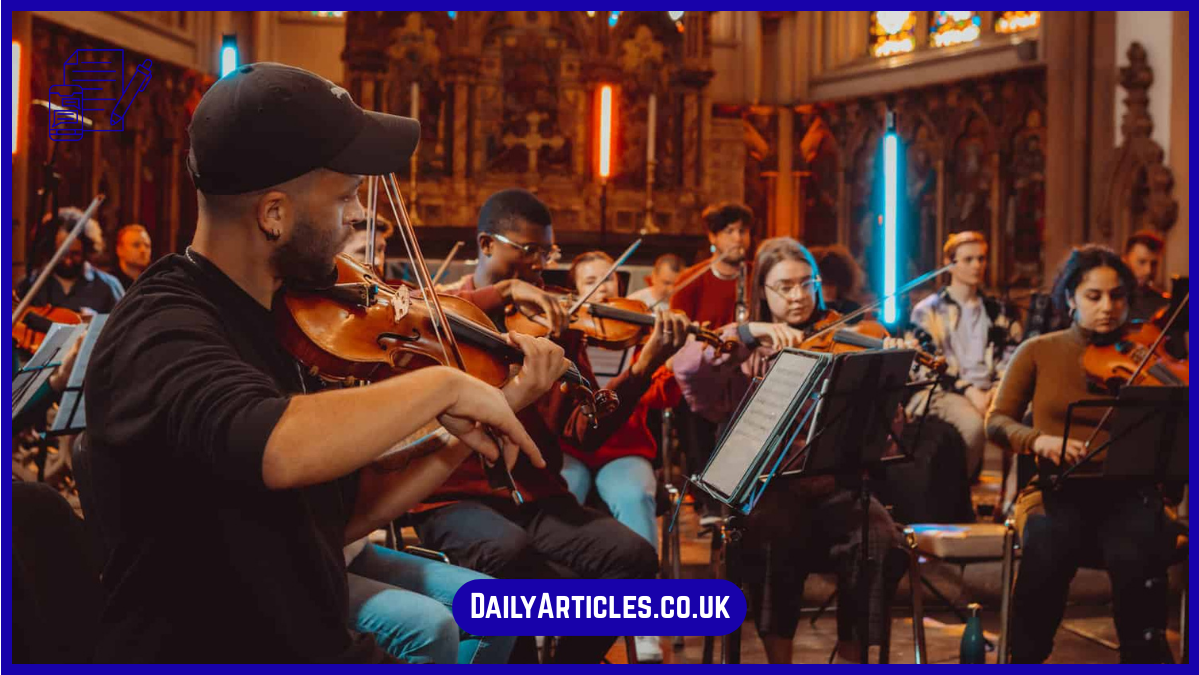
One of the most impressive aspects of Paradox Orchestra is how it handles rhythm. Electronic tracks rely heavily on programmed beats and perfectly quantized timing. When performed by live musicians, those rhythms must feel tight yet human. Achieving that balance requires disciplined rehearsal and exceptional musicianship. The percussion and string sections often carry the groove, replicating electronic basslines and kick drums with astonishing precision. This blend of mechanical consistency and human expression gives Paradox Orchestra its unique sonic identity.
Live Performances That Transform Expectations
Seeing Paradox Orchestra live is an entirely different experience from listening to electronic music through speakers. There is something deeply powerful about watching dozens of musicians recreate the sound of a DJ set using violins, cellos, horns, and live percussion. The visual impact alone changes how audiences connect with the music. Instead of focusing on a single performer behind a booth, the audience witnesses a collective effort that feels dynamic and alive.
The atmosphere at a Paradox Orchestra performance often defies expectations. People who might not typically attend a classical concert find themselves immersed in a familiar soundscape, yet delivered in an unfamiliar way. At the same time, classical music enthusiasts discover new appreciation for electronic compositions. The project acts as a gateway for different audiences to explore genres they might otherwise ignore.
What truly elevates Paradox Orchestra performances is the emotional range. Electronic music can be hypnotic and euphoric, but orchestral interpretation adds depth and nuance. Strings can swell with cinematic intensity, brass can emphasize dramatic moments, and subtle shifts in dynamics can completely transform a track’s emotional arc. The result is not just a danceable experience, but a deeply immersive one.
The Technical Complexity Behind the Sound
Behind the scenes, Paradox Orchestra operates with remarkable technical sophistication. Arranging electronic music for live orchestra is a complex process that requires detailed score writing and strategic instrumentation. Producers and arrangers must break down each track into its core components and determine how to distribute those parts across multiple instruments.
For example, a synthesized bassline might be shared between double basses and low brass to create both depth and punch. High-frequency electronic melodies might be translated into violins or woodwinds, while percussive elements are reconstructed using a combination of drums and auxiliary percussion. Every decision affects how the track feels in a live setting. The goal is to maintain the original drive while enhancing it with orchestral color.
Another challenge Paradox Orchestra overcomes is sound reinforcement. Electronic music depends on powerful amplification, and an orchestra must compete with that level of energy. Careful microphone placement, mixing, and stage design are essential to ensure clarity without sacrificing intensity. The technical team works as closely as the musicians to create a seamless experience that feels both organic and powerful.
Cultural Impact and Growing Popularity
Paradox Orchestra has gained significant attention not just because it is innovative, but because it resonates with modern audiences. Today’s listeners are more open than ever to genre blending. Streaming platforms and social media have blurred musical boundaries, allowing fans to explore everything from techno to symphonies without hesitation. In this landscape, Paradox Orchestra feels timely and relevant.
The project also challenges outdated perceptions about classical music. For many younger listeners, orchestras can seem formal or inaccessible. By performing familiar electronic tracks, Paradox Orchestra makes orchestral music approachable and exciting. It demonstrates that classical instruments are not confined to centuries-old compositions; they can reinterpret contemporary sounds with equal power.
At the same time, the success of Paradox Orchestra highlights the compositional strength of electronic music itself. When stripped of its digital production and performed acoustically, the melodies and harmonies must stand on their own. The fact that they do is a testament to the craftsmanship of electronic producers. Paradox Orchestra effectively showcases that depth by translating it into a different musical language.
Why Paradox Orchestra Represents the Future of Live Music
In many ways, Paradox Orchestra represents a broader shift in how audiences want to experience music. People increasingly seek events that feel immersive, visually engaging, and emotionally resonant. A traditional DJ set can be thrilling, but pairing that energy with live musicianship creates something even more memorable. It offers spectacle without sacrificing authenticity.
The adaptability of Paradox Orchestra also points toward exciting possibilities. As technology evolves and new genres emerge, the orchestra can continue to reinterpret and expand its repertoire. The format is flexible enough to incorporate different styles of electronic music, from deep house to techno and beyond. This versatility ensures that Paradox Orchestra remains relevant in a constantly changing musical landscape.
Ultimately, Paradox Orchestra succeeds because it understands both tradition and innovation. It respects the discipline of classical training while embracing the freedom and pulse of electronic culture. That balance is not easy to achieve, yet Paradox Orchestra manages it with confidence and clarity. By transforming familiar tracks into orchestral experiences, it invites listeners to hear music in a new light. In doing so, Paradox Orchestra does more than entertain; it reshapes expectations and proves that great music can transcend format, genre, and setting.
You May Also Read
