
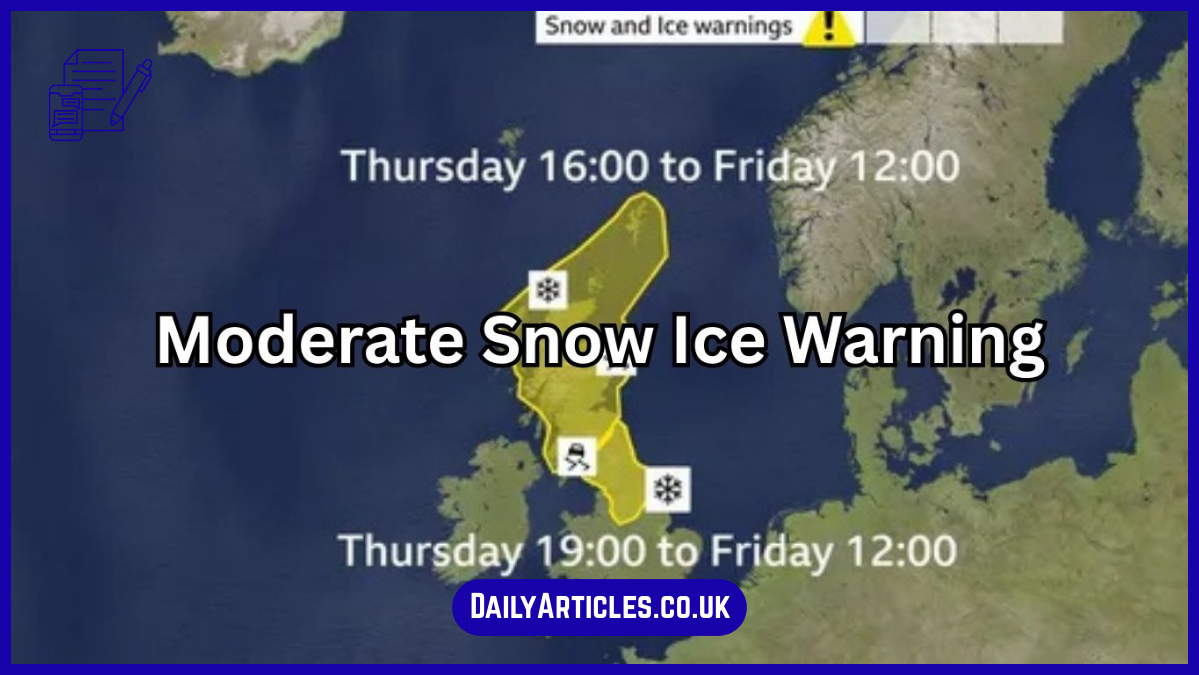
Weather alerts play a crucial role in keeping communities safe, especially during the winter months. Among the most significant of these alerts is the moderate snow ice warning, a term that can spark concern but also provide an opportunity to prepare. While it may sound intimidating, understanding what this warning entails and how to respond can make a world of difference for drivers, homeowners, and anyone living in areas prone to winter storms.
What Is a Moderate Snow Ice Warning?
A moderate snow ice warning is issued by meteorological authorities when weather conditions are expected to produce a combination of snow and ice that could disrupt daily life. Unlike light snow or frost advisories, this warning indicates that conditions are more severe and have the potential to impact transportation, power supply, and personal safety.
The term “moderate” signifies that while the situation is not extreme, the accumulation of snow and ice can still pose hazards. This includes slippery roads, icy sidewalks, and even temporary disruptions to utility services. Typically, this warning is issued when snowfall is expected to reach around 2–5 inches and ice accumulation ranges from 0.1 to 0.3 inches, but these thresholds may vary depending on regional standards and local infrastructure resilience.
Meteorologists rely on a combination of satellite imagery, radar data, and ground reports to predict these conditions accurately. They monitor temperature fluctuations, humidity, and wind patterns to determine whether precipitation will fall as snow, ice, or a mixture of both, which can significantly affect the severity of the warning.
Impacts of Moderate Snow and Ice
Understanding the potential consequences of a moderate snow ice warning helps communities take the necessary precautions. Roads and highways are often the first to feel the effects. Ice can form quickly, creating slippery conditions that increase the risk of accidents. Snow accumulation reduces visibility and can obscure traffic signs, further complicating travel.
Power outages are another concern. Ice can accumulate on power lines and tree branches, causing them to snap under the added weight. This can result in temporary disruptions to electricity and communication services. In areas with older infrastructure, even a moderate accumulation of snow and ice can trigger significant challenges for repair crews.
For pedestrians, icy sidewalks and walkways pose a risk of slips and falls. This can be particularly dangerous for the elderly and those with mobility issues. Schools, businesses, and public services may experience delays or closures as safety becomes a priority, emphasizing the importance of heeding these warnings seriously.
How to Prepare for a Moderate Snow Ice Warning
Preparation is key when a moderate snow ice warning is issued. First, consider travel plans. If possible, postpone non-essential trips until conditions improve. If travel is necessary, ensure vehicles are equipped with winter tires, chains if appropriate, and an emergency kit containing blankets, food, water, and a flashlight. Driving slowly and maintaining a safe distance from other vehicles is critical in icy conditions.
Home preparation is equally important. Keep gutters and downspouts clear to prevent ice dams, stock up on essential supplies, and ensure heating systems are functioning properly. Protect pipes from freezing by insulating exposed areas, and have a backup heat source ready in case of power outages. Clearing sidewalks and driveways promptly can prevent accidents and facilitate safer passage for pedestrians.
Additionally, staying informed is crucial. Follow updates from local weather services, sign up for emergency alerts, and monitor social media or news outlets for real-time conditions. A moderate snow ice warning may evolve, and timely information can make the difference between a minor inconvenience and a serious safety hazard.
Safety Tips During Snow and Ice Events
During a moderate snow ice warning, safety should be the top priority. When outdoors, wear appropriate footwear with good traction to reduce the risk of slipping. Avoid walking on untreated surfaces and use handrails when available. If shoveling snow, take frequent breaks to avoid overexertion, as icy conditions can increase the strain on the body.
Driving in snow and ice requires extra caution. Reduce speed, avoid sudden braking or sharp turns, and increase following distance. If your vehicle begins to skid, steer in the direction of the skid until control is regained. Keep headlights on to improve visibility, and never drive under the influence or while fatigued.
Community awareness is also vital. Check on neighbors, particularly the elderly or those living alone, to ensure they have the supplies and support needed during icy conditions. Being proactive can help prevent accidents and ensure everyone in the community remains safe.
The Role of Meteorological Services
Meteorological agencies play a critical role in issuing moderate snow ice warnings. By analyzing weather models, historical data, and real-time observations, they can predict the timing, location, and intensity of winter storms. These warnings are designed not to alarm, but to inform residents and businesses so they can take appropriate precautions.
Many weather services provide detailed guidance alongside the warning, including expected snow and ice accumulations, temperature trends, and suggested safety measures. These resources are invaluable for emergency services, local authorities, and the general public in mitigating the effects of winter storms.
Conclusion
A moderate snow ice warning is more than just a weather alert—it’s a call to prepare and stay safe. Understanding what it means, recognizing the potential impacts, and taking proactive steps can significantly reduce the risks associated with snow and ice. From driving cautiously to ensuring homes are ready for winter conditions, preparation is the key to navigating these challenging weather events. By paying attention to forecasts and following safety guidance, communities can weather the storm with confidence and resilience.
