
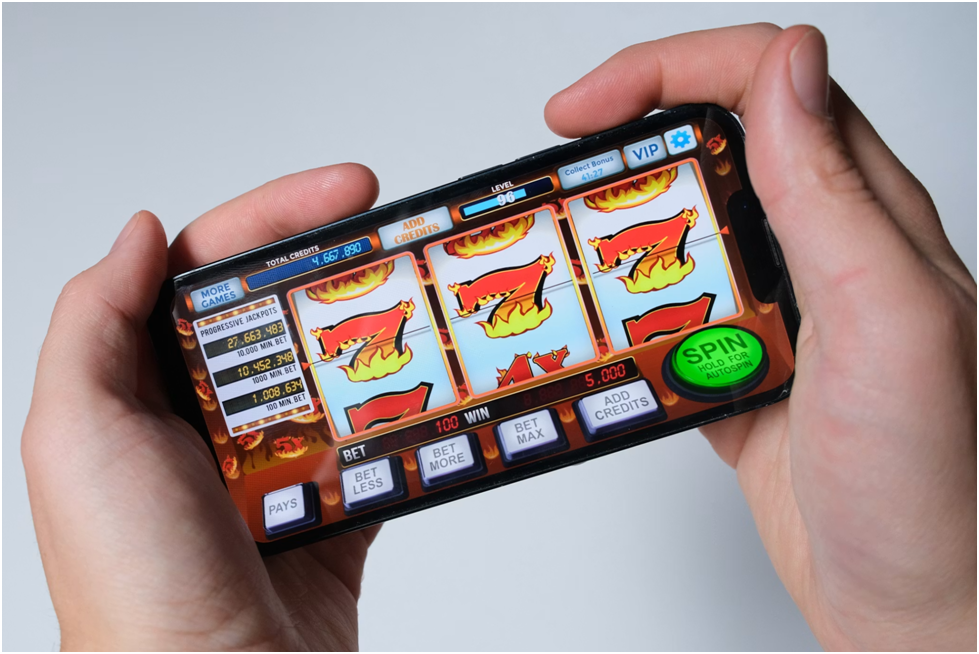
Slot machines haven’t disappeared. They’ve shifted form. What once sat inside a cabinet now feels more fluid: part game, part visual layer, part brief escape between everyday moments.
The reels still spin, of course, and that familiar rhythm remains. What’s changed is how spins connect. What surrounds the spin feels different now, shaped by design, pacing, and subtle changes that alter how each moment unfolds.
Modern slot games aren’t defined by a single breakthrough. Instead, a series of small, layered shifts has gradually reshaped how they’re played, experienced, and understood over time.
1. Dynamic Reels and Changing Payout Mechanics
There was a time when every spin followed a familiar pattern. Fixed reels. Fixed lines. A structure you could read at a glance, even when outcomes refused to cooperate. That structure hasn’t disappeared, but it has gradually loosened over time.
Modern slots treat the reel layout as something flexible rather than fixed. It expands, contracts, and rearranges itself without warning. One spin might feel sparse, the next suddenly dense with possibilities, shifting how the screen is read in the moment.
Systems like Megaways or grid-based formats move away from strict lines altogether. Variable reel heights, expanding combinations, and patterns that don’t follow a straight path encourage players to watch how symbols connect rather than where they land.
The effect is less about added complexity and more about motion. The screen feels active, almost restless. Less like waiting for something to happen, more like watching it unfold in real time and not always entirely in predictable ways.
2. High-Tech Visuals, Cinematic Themes, and Narrative Depth
Modern slots rarely rely on symbols alone. The atmosphere carries just as much weight, sometimes more. It’s not just what appears on the reels, it’s how it looks, moves, and reacts.
Visual Design That Sets the Tone
First impressions land quickly. Smooth animations, layered sound design and subtle lighting effects all shape the mood before a single spin settles. Wins don’t just register; they ripple outward. Small visual cues build a sense of momentum, even in quieter moments.
Themes That Carry the Experience
Themes used to sit on the surface. Now they run deeper. Ancient mythology, futuristic cities and familiar cultural references are not just decorative. They guide how features behave, how bonuses trigger, how the entire session feels from start to finish.
Players exploring different styles of online casino slot games often notice this first. One leans into storytelling, another into atmosphere or pace. That variation becomes part of the appeal.
Narrative Elements and Progression
Some games go a step further, unfolding over time as backgrounds shift and new elements unlock, creating a subtle sense that something is building. It’s not always about reaching an endpoint, sometimes it’s simply about seeing what changes next.
3. Optional Bonus Access and Flexible Play Features
Patience used to shape the rhythm. Spin enough times, and eventually something would trigger. That slower pacing felt natural for a long time, especially in earlier slot machine formats, even if it meant stretches where very little seemed to happen.
In some markets or titles, Bonus Buy features adjust that balance by offering direct access to bonus rounds without waiting for them to appear naturally. Not every player uses them, and some still prefer the gradual build, but the option alone changes how the experience feels.
Control becomes part of the experience in a more noticeable way. Sessions can move quickly or stretch out, depending on how someone approaches it. That flexibility doesn’t always stand out immediately, though it tends to shape how people settle into a game over time.
In certain regions, alternatives serve a similar role. Feature Spins or Ante Bets slightly increase the chances of reaching bonus rounds without skipping base play, building on earlier mechanics outlined in this ultimate slot guide.
4. Compounded Reward Engines
A single spin used to be exactly that one moment, one result, then reset. That structure defined how players read the game for years. That rhythm has shifted. Outcomes can stretch now, with one event leading into another, sometimes in ways that feel unexpected.
Cascading reels show this clearly. They reshape how a single outcome unfolds on screen. Symbols disappear, new ones fall into place, and the original spin continues. It’s not a replay. More like an extension, where the outcome evolves rather than ends.
Multipliers add another layer to that progression. They start small, then build as sequences unfold, creating a sense that something is gathering momentum. Even when the sequence stops, that buildup tends to linger long after it ends.
Hold and Win features move in the opposite direction. They slow things down. Symbols lock in place, re-spins reset, and the board fills gradually or doesn’t. Cascades, multipliers, and locked symbols all shift the focus away from single results and toward how those results connect.
5. Multi-Device Optimization and Mobile-First Architecture
The shift to mobile didn’t happen all at once. It settled in quietly, almost unnoticed. Usage habits shifted before technology did. One day, the desktop mattered most. Then it didn’t, and the change felt less like a break and more like a gradual shift.
Modern slot games are built with that change in mind from the start. Layouts adjust instantly, buttons move where they need to be, and orientation shifts without breaking the flow across devices. It feels seamless when it works well, which is the point.
Short sessions have become more common. A few spins during a break, a longer stretch later on. Play now fits around daily routines. The experience adapts to that rhythm rather than resisting it, fitting into moments instead of demanding attention.
Performance and consistency carry across devices. Faster load times, smoother transitions, fewer interruptions, the same game, the same feel, whether on a phone, tablet, or something larger. That continuity keeps things familiar, even as everything else evolves.
The Layers Behind Modern Slot Play
Modern slots don’t rely on a single defining trait. Instead, they layer small changes in structure, visuals, pacing, and accessibility until the experience feels more responsive, more flexible, and just a little less predictable from one moment to the next.
None of it replaces what came before. The core idea still holds: spin, watch, wait. That familiar loop still sits at the center. That rhythm remains, even as everything around it shifts, quietly shaping how these games feel and where they continue to move.
