
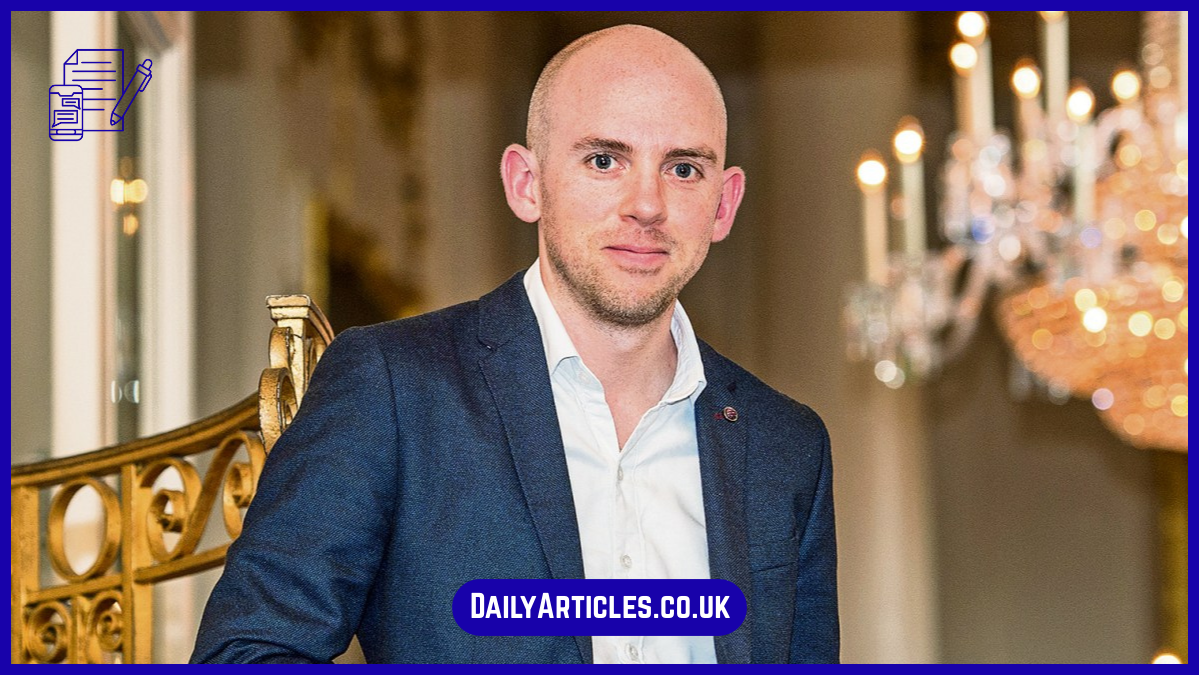
Opera has always evolved through bold artistic minds willing to challenge tradition while respecting its roots. One of the most compelling figures in this new generation of directors is Oliver Mears. Known for his thoughtful interpretations and visually striking productions, he has steadily built a reputation as one of the most innovative creative forces in contemporary opera.
From intimate theatre stages to the grandeur of major opera houses, Oliver Mears has demonstrated a rare ability to balance storytelling, musical integrity, and modern relevance. His work reflects deep scholarship, emotional intelligence, and a clear understanding of how opera can connect with today’s audiences without losing its historical power.
In this article, we explore the artistic journey, creative philosophy, and lasting impact of Oliver Mears on the world of opera.
Early Life and Artistic Foundations
Every accomplished director begins with a formative period that shapes their artistic instincts. In the case of Oliver Mears, his early exposure to theatre and storytelling laid the groundwork for a future career defined by curiosity and discipline. His education and early professional experiences helped him develop not only technical skills but also a deep appreciation for dramatic structure and character development.
Rather than approaching opera purely as spectacle, Oliver Mears cultivated an understanding of narrative detail. This focus on character psychology became a defining feature of his later productions. Even in large-scale operas, he consistently emphasizes the human element at the core of each story.
His early career involved work across various theatrical settings, allowing him to experiment with staging techniques and collaborate with performers in diverse contexts. These foundational years were crucial in shaping his directorial voice—one that blends respect for tradition with a willingness to reinterpret classic works through a modern lens.
Breaking Through in the Opera World
Breaking into the competitive world of opera direction requires more than talent. It demands persistence, vision, and the ability to earn the trust of performers and institutions alike. Oliver Mears achieved this breakthrough by consistently delivering productions that felt both intelligent and emotionally resonant.
What distinguishes Oliver Mears from many of his contemporaries is his refusal to rely solely on visual spectacle. While his productions are often visually compelling, the true strength of his work lies in its clarity. Audiences can follow the emotional journey of each character, and the dramatic stakes feel authentic rather than ornamental.
His growing recognition within major opera houses did not happen overnight. It was the result of careful craftsmanship and a commitment to excellence. By combining historical awareness with contemporary sensibilities, Oliver Mears established himself as a director capable of handling both traditional repertoire and more experimental works.
Artistic Philosophy and Directorial Style
To understand Oliver Mears fully, one must examine his artistic philosophy. He approaches opera as a living art form, not a museum piece. This perspective allows him to reinterpret classics in ways that feel fresh while still honoring the composer’s intentions.
One hallmark of Oliver Mears’ style is psychological realism. Rather than presenting characters as grand archetypes alone, he explores their vulnerabilities and motivations. This adds emotional depth to productions that might otherwise feel distant or overly stylized.
Additionally, his use of staging often emphasizes spatial storytelling. Sets are not merely decorative; they function as extensions of the characters’ inner worlds. Lighting, movement, and blocking are meticulously coordinated to enhance the narrative flow. This careful orchestration demonstrates that Oliver Mears views opera as a total theatrical experience where every element contributes to meaning.
Leadership and Institutional Impact
Beyond individual productions, Oliver Mears has also taken on leadership roles that expand his influence within the opera community. Leadership in the arts requires balancing artistic ambition with administrative responsibility, and he has shown a capacity for both.
In leadership positions, Oliver Mears has emphasized accessibility and audience engagement. He understands that opera must continue evolving to remain relevant in a changing cultural landscape. This includes attracting younger audiences while maintaining the loyalty of long-time patrons.
His institutional impact extends to nurturing emerging talent. By collaborating closely with singers, designers, and creative teams, Oliver Mears fosters an environment where artistic risks can be taken thoughtfully. This collaborative spirit strengthens not only individual productions but also the broader cultural institutions he serves.
Notable Productions and Critical Reception
Over the years, Oliver Mears has directed numerous productions that have drawn critical attention. Reviewers frequently praise his ability to clarify complex narratives and bring emotional coherence to large-scale works.
Critics often highlight how Oliver Mears balances innovation with musical respect. His interpretations never feel imposed or gimmicky. Instead, they arise organically from the score and libretto, demonstrating careful study and artistic integrity.
Audience response has been equally significant. Many opera-goers appreciate the accessibility of his storytelling. By making characters relatable and emotionally grounded, Oliver Mears ensures that even those new to opera can engage deeply with the performance.
Contribution to Modern Opera Culture
Opera in the 21st century faces both challenges and opportunities. As digital media reshapes entertainment habits, traditional performing arts must find new ways to remain compelling. Oliver Mears contributes to this evolution by presenting opera as emotionally immediate and culturally relevant.
He recognizes that modern audiences seek authenticity. Through nuanced direction and meaningful reinterpretation, Oliver Mears helps bridge the gap between historical repertoire and contemporary sensibilities. His productions often spark discussion, encouraging viewers to reconsider familiar works from new perspectives.
Moreover, his commitment to high artistic standards reinforces opera’s enduring value. By refusing to compromise on musical and dramatic quality, Oliver Mears demonstrates that innovation does not require sacrificing excellence.
The Legacy and Future of Oliver Mears
While it is still early to define the full legacy of Oliver Mears, his influence is already visible in the renewed vitality of productions he has shaped. His approach reflects a broader shift in opera direction—toward deeper psychological insight and stronger narrative cohesion.
Looking ahead, Oliver Mears is likely to continue pushing artistic boundaries while remaining grounded in operatic tradition. His ability to adapt to new challenges suggests that his impact will grow as the art form continues to evolve.
Ultimately, the significance of Oliver Mears lies not only in individual achievements but in his broader contribution to opera as a living, breathing art form. Through intelligence, sensitivity, and creative courage, he has positioned himself as one of the defining directors of his generation.
Final Thoughts
In a field often torn between strict traditionalism and radical experimentation, Oliver Mears represents a thoughtful middle path. He respects the heritage of opera while embracing the need for reinterpretation and renewal.
His work reminds us that opera is not merely about grand voices and elaborate staging. At its heart, it is about human emotion, conflict, and transformation. By keeping these elements central, Oliver Mears ensures that opera remains powerful and relevant.
As audiences continue to seek meaningful artistic experiences, directors like Oliver Mears play a crucial role in guiding the art form forward. His dedication to clarity, emotional depth, and collaborative excellence makes him not only a talented director but a true visionary in contemporary opera.
You May Also Read
